
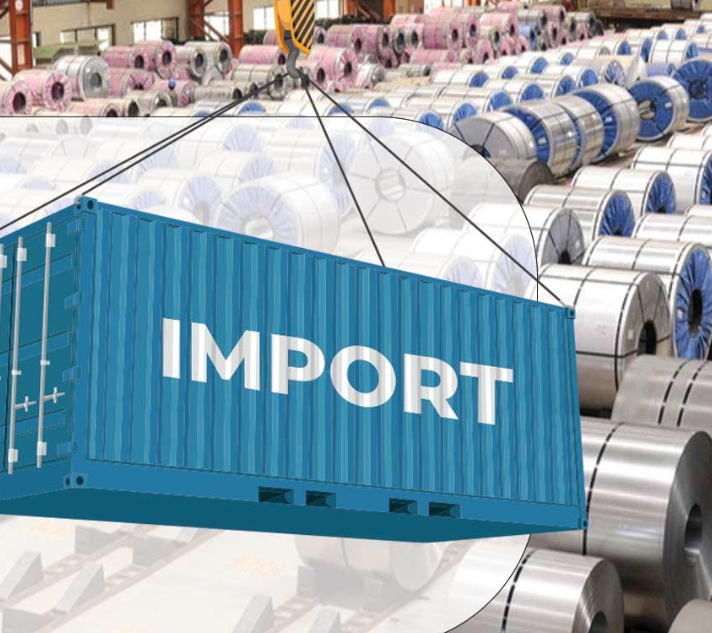
India Turns Net Importer of Finished Steel in April
India, one of the world’s largest steel producers, became a net importer of finished steel in April 2026, according to recent trade data reported by The Economic Times. The development has drawn attention across the manufacturing and infrastructure sectors because India has traditionally been viewed as a major steel-producing nation with strong export capabilities.
The shift reflects changing global trade patterns, competitive pricing from overseas suppliers, and fluctuations in domestic demand and production economics.
Why India Became a Net Steel Importer
Several factors contributed to the increase in finished steel imports.
One major reason is the availability of lower-priced steel from countries with excess production capacity. International suppliers, especially from Asia, have been offering competitive prices, making imports attractive for Indian buyers. At the same time, domestic steel demand from sectors such as infrastructure, automobiles, engineering, and construction remains strong.
Factor | Impact on Steel Market |
Cheap global steel supply | Higher imports |
Infrastructure growth | Increased demand |
Competitive pricing pressure | Margin pressure for producers |
Global economic slowdown | Export challenges |
Rising imports combined with slower export growth pushed India into net importer status during April.
Impact on Indian Steel Companies
The increase in imports may create pressure on domestic steel manufacturers, particularly smaller players facing intense price competition. Large steel companies may experience:
Reduced pricing power
Lower profit margins
Increased competition from imported products
Pressure to improve efficiency
However, infrastructure expansion and industrial growth in India could continue supporting long-term steel demand despite short-term import pressures.
Why Steel Matters to India's Economy
Steel is one of the most important industries supporting economic growth. It plays a critical role in:
Construction and infrastructure
Automotive manufacturing
Railways and transportation
Energy and industrial equipment
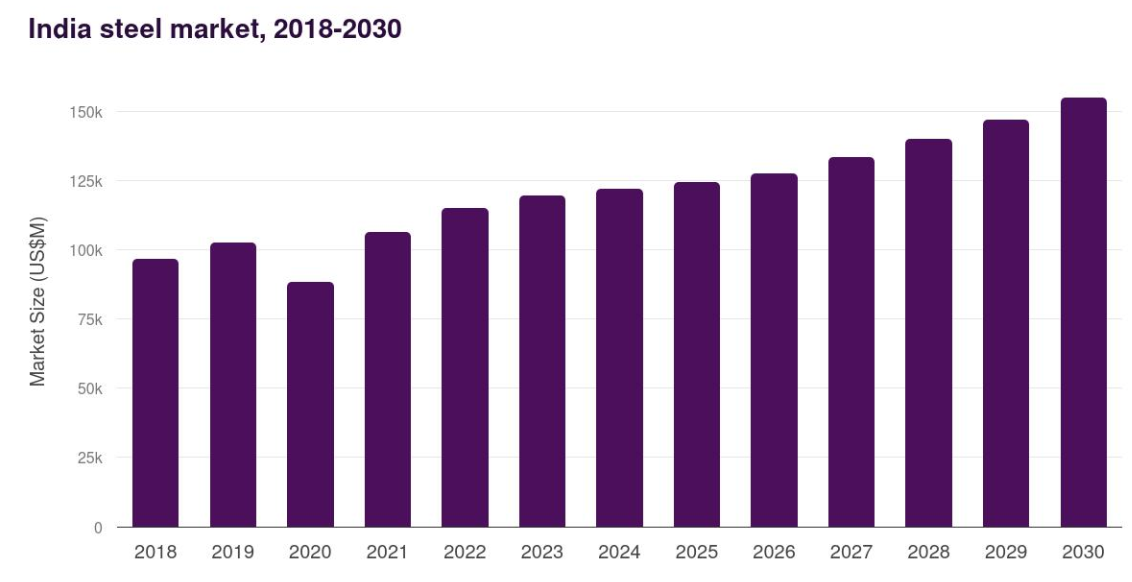
India’s ongoing investments in highways, rail projects, urban development, and renewable energy are expected to maintain strong steel consumption over the next decade.
Steel Supply Chain Overview
Iron Ore ↓ Steel Manufacturing ↓ Infrastructure & Industry ↓ Construction / Automobiles / Engineering
Because steel impacts multiple sectors, changes in trade balances often influence broader industrial activity.
Global Steel Market Challenges
The global steel industry continues facing challenges such as oversupply, fluctuating raw material costs, slowing economic growth in some regions, and changing trade policies. Countries with surplus production often export steel aggressively at lower prices, increasing competition in international markets.
Global Issue | Industry Effect |
Excess production capacity | Lower global prices |
Trade restrictions | Export uncertainty |
Raw material volatility | Cost fluctuations |
Slower global demand | Competitive pressure |
Indian producers must balance domestic demand growth with increasing global competition.
Future Outlook for India's Steel Sector
Despite becoming a net importer temporarily, India’s long-term steel outlook remains positive. The country is still expected to be one of the fastest-growing steel consumption markets globally due to infrastructure expansion and manufacturing growth. Government initiatives such as “Make in India,” industrial corridor projects, and large-scale infrastructure investments could continue driving demand for domestic steel production.
Experts also expect Indian steel companies to invest more heavily in:
Green steel technologies
Capacity expansion
Export diversification
Operational efficiency
As global markets stabilize, India may regain stronger export momentum while continuing to expand domestic production capacity.
Conclusion
India becoming a net importer of finished steel in April highlights the changing dynamics of the global steel market. Competitive international pricing, strong domestic demand, and shifting trade flows are influencing the industry’s direction.
While rising imports may create short-term pressure for domestic manufacturers, India’s long-term steel demand outlook remains strong due to rapid infrastructure and industrial growth.
The industry’s future success will depend on efficiency improvements, technological investment, and the ability to compete effectively in an increasingly globalized market.