

India Pushes for Chemical Self-Reliance: Why Reducing Imports Matters
India is taking another step toward strengthening domestic manufacturing by encouraging the chemical industry to reduce dependence on imported products. According to recent remarks by Chemicals and Petrochemicals Secretary Tejveer Singh, increasing local production and achieving greater self-reliance is becoming a key priority for the sector.
The initiative aligns with India's broader vision of building stronger supply chains, enhancing manufacturing capabilities, and reducing vulnerability to global disruptions. As one of the largest consumers of chemicals globally, India sees significant opportunities to expand domestic production while improving competitiveness in international markets.
Why Import Dependence Is a Concern
India imports a wide range of specialty chemicals, intermediates, and industrial chemical products that are used across manufacturing sectors such as pharmaceuticals, agriculture, textiles, electronics, and automotive production.
Heavy reliance on imports can expose industries to:
Challenge | Impact |
Supply chain disruptions | Production delays |
Currency fluctuations | Higher input costs |
Global trade tensions | Import uncertainty |
Rising transportation costs | Reduced competitiveness |
Strengthening domestic production can help businesses reduce these risks while supporting long-term industrial growth.
Opportunities for Domestic Manufacturers
The push for self-reliance could create significant opportunities for Indian chemical manufacturers. As demand continues to rise across sectors, local producers may benefit from increased investment, technology adoption, and capacity expansion.
Key growth areas include:
Specialty chemicals
Petrochemicals
Agrochemicals
Industrial intermediates
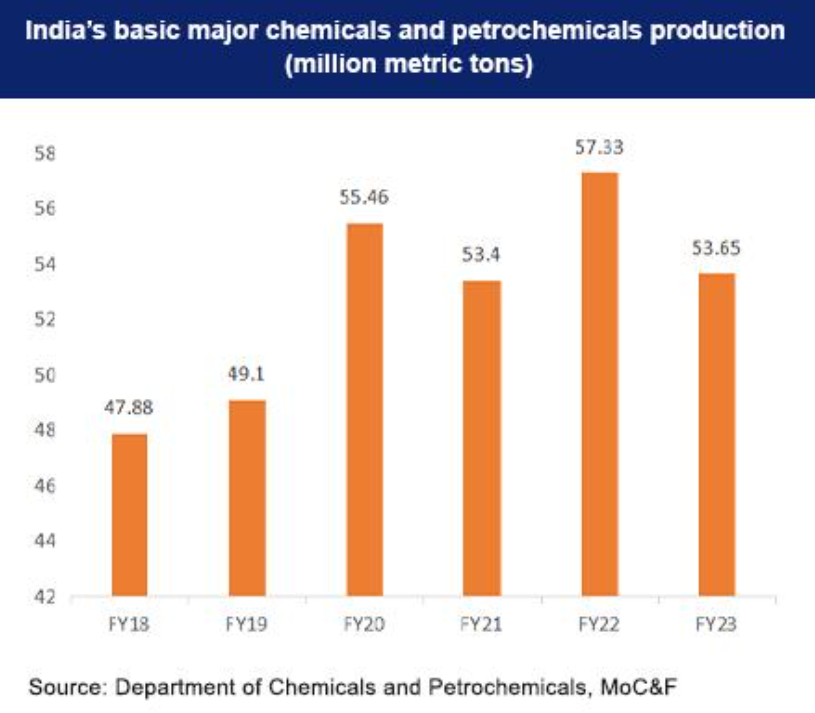
India already has a strong foundation in chemical manufacturing and is among the world's leading producers of several chemical products. Expanding production capabilities could further improve export competitiveness.
Potential Economic Benefits
Greater domestic manufacturing can contribute to multiple economic objectives, including job creation, higher industrial output, and improved trade balances.
Potential Benefit | Expected Outcome |
Increased production | Higher industrial growth |
Reduced imports | Improved trade balance |
New investments | Capacity expansion |
Export growth | Greater global competitiveness |
The strategy also supports India's goal of becoming a global manufacturing hub under initiatives aimed at strengthening domestic industry.
Challenges Ahead
While the opportunity is significant, achieving greater self-reliance will require investments in infrastructure, research and development, advanced manufacturing technologies, and skilled talent. Manufacturers must also maintain international quality standards and environmental compliance to remain competitive in both domestic and export markets.
Building a stronger ecosystem for specialty chemicals and high-value products will be critical for long-term success.
Future Outlook
Industry experts believe India's chemical sector has strong growth potential over the next decade. Rising domestic demand, government support, and growing interest from global investors could accelerate expansion across multiple segments.
As companies diversify supply chains and seek alternative manufacturing destinations, India is well-positioned to strengthen its role in global chemical production and exports.India's push for greater self-reliance in the chemical industry reflects a broader effort to strengthen manufacturing, reduce import dependence, and build more resilient supply chains. While challenges remain, increased domestic production could unlock new opportunities for investment, innovation, and export growth.
For manufacturers and investors, the sector presents promising long-term potential as India continues expanding its industrial capabilities and global trade presence.