

Pricing products correctly is one of the most important factors in export success. If your prices are too high, international buyers may choose competitors. If prices are too low, your business may lose profits or become unsustainable.
International pricing is more complex than domestic pricing because exporters must consider shipping charges, customs duties, currency exchange rates, taxes, packaging, and global competition.
A smart pricing strategy helps businesses attract international buyers while maintaining healthy profit margins.
Why Export Pricing Matters
International buyers compare suppliers from multiple countries before making purchasing decisions. Proper pricing helps businesses stay competitive while building long-term buyer relationships.
Good export pricing also improves:
Benefit | Impact |
Profitability | Sustainable business growth |
Buyer trust | Better long-term partnerships |
Market competitiveness | Higher conversion rates |
Brand positioning | Stronger global presence |
Businesses that understand global pricing strategies often secure repeat buyers more easily.
Key Factors That Affect International Pricing
Production Cost
The first step is calculating your actual production cost. This includes raw materials, labor, packaging, utilities, and manufacturing expenses.
Without accurate production cost calculations, businesses risk underpricing products and losing money.
Shipping and Logistics
Shipping costs significantly affect international pricing. Exporters must calculate:
Freight charges
Insurance costs
Port handling fees
Warehousing charges
Shipping prices vary depending on destination country, transportation method, and fuel costs.
Customs Duties and Taxes
Different countries apply different import duties and taxes. Exporters should understand destination-country regulations before finalizing prices.
Trade agreements may reduce tariffs in certain markets, improving competitiveness. Useful resources include DGFT India and World Trade Organization (WTO).
Currency Exchange Rates
Currency fluctuations can impact export profits significantly. Many exporters add a small safety margin to protect against exchange rate volatility.
Using stable international currencies like USD often simplifies global transactions.
Common Export Pricing Strategies
Cost-Plus Pricing
This is the simplest pricing method. Businesses calculate total costs and add a fixed profit margin.
Example:
Cost Component | Amount |
Manufacturing Cost | $20 |
Shipping & Packaging | $5 |
Profit Margin | $10 |
Final Export Price | $35 |
This strategy works well for beginners entering export markets.
Competitive Pricing
In competitive pricing, exporters analyze competitor prices in the target market and adjust their pricing accordingly.
This strategy is useful in highly competitive industries such as textiles, electronics, and consumer products.
Platforms like Alibaba and IndiaMART help exporters compare global market prices.
Value-Based Pricing
Some businesses price products based on perceived value instead of production cost. Premium products, organic foods, handmade goods, and luxury items often use this strategy.
Strong branding and quality certifications help justify higher prices.
How to Stay Competitive Globally
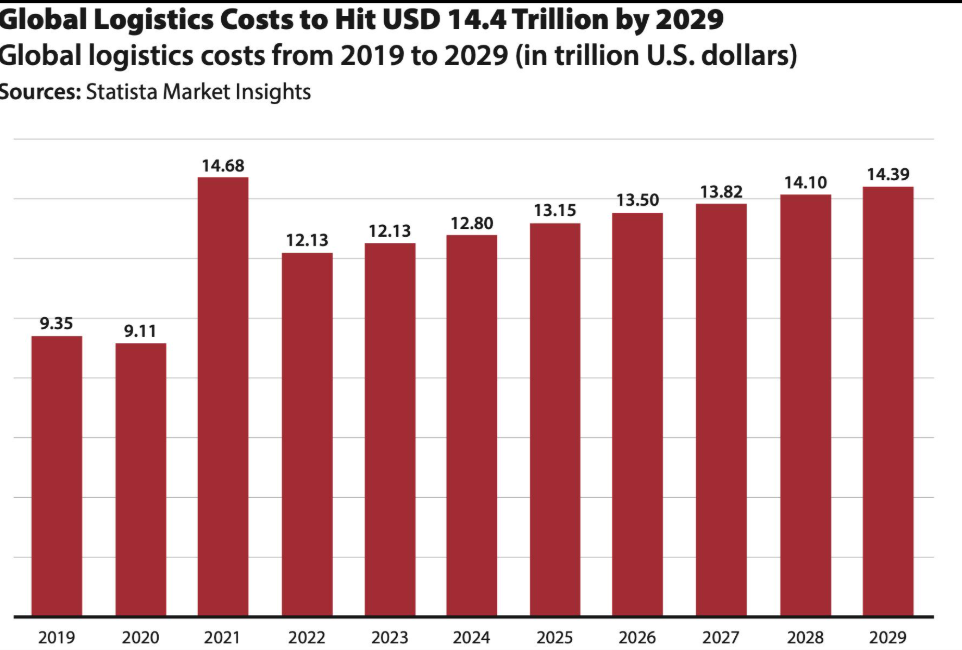
Successful exporters focus on balancing affordability and profitability. International buyers often prioritize quality, consistency, communication, and reliability over the cheapest price.
Businesses can improve competitiveness by:
Reducing manufacturing waste
Optimizing shipping methods
Improving packaging efficiency
Building long-term supplier relationships
Technology and automation also help reduce operational costs over time.
Pricing Mistakes Exporters Should Avoid
Many exporters fail because they underestimate hidden costs such as shipping delays, customs charges, returns, or currency fluctuations.
Common mistakes include:
Ignoring competitor pricing
Using outdated shipping rates
Underestimating taxes
Offering unrealistic discounts
Poor pricing strategies can quickly damage profitability in international trade.
Future of International Pricing
AI and digital trade tools are transforming global pricing strategies. Businesses now use software to monitor competitor prices, track shipping costs, and forecast currency fluctuations in real time.
Cross-border e-commerce platforms are also increasing price transparency, making accurate pricing more important than ever.
Companies that combine smart pricing with strong branding and efficient logistics will have the greatest success in international markets.
Conclusion
Pricing products for international buyers requires careful planning and market understanding. Exporters must consider production costs, logistics, taxes, exchange rates, and competitor pricing before finalizing export prices.
A strong pricing strategy helps businesses remain profitable while attracting long-term global buyers. Companies that continuously monitor costs and market trends can build a sustainable advantage in international trade.