
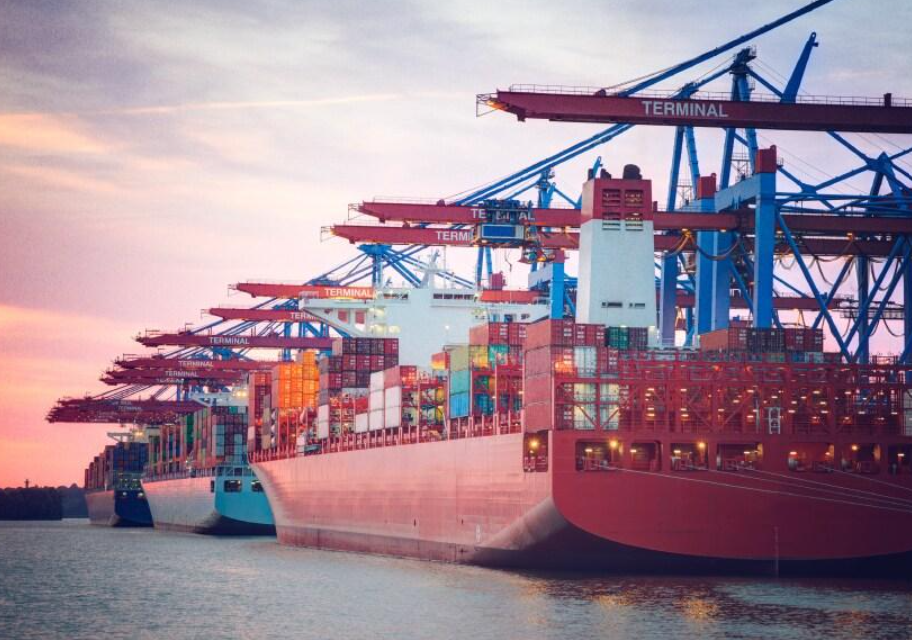
International trade operations are becoming increasingly complex as businesses expand across global markets and supply chains become more interconnected. Companies involved in importing and exporting goods must manage logistics, customs procedures, regulatory compliance, supplier coordination, and transportation networks across multiple countries. While international trade creates enormous growth opportunities, it also introduces operational challenges that can disrupt shipments, increase costs, and reduce efficiency.
For many businesses, even a small mistake in trade operations can lead to delayed cargo, customs penalties, dissatisfied customers, or financial losses. As global trade regulations continue evolving and supply chains face increasing pressure from geopolitical tensions and economic uncertainty, companies must understand the most common operational problems affecting international commerce.
Lets explore the biggest challenges businesses face in international trade operations and explains how companies can improve efficiency, reduce risks, and strengthen supply chain resilience.
Customs Delays Continue to Disrupt Global Trade
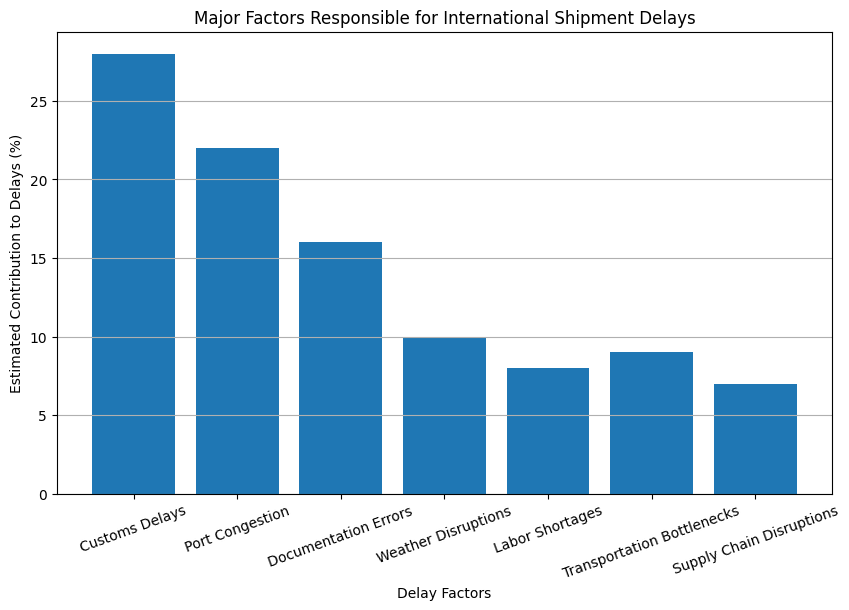
Customs delays remain one of the most common problems in international trade operations. Every shipment crossing an international border must comply with import and export regulations established by customs authorities. If documentation is incomplete, inaccurate, or inconsistent, shipments may be held for inspection or delayed at ports.
Many customs delays occur because of incorrect product classifications, missing paperwork, inaccurate cargo descriptions, or regulatory restrictions tied to certain products or countries. In some cases, shipments may also be selected for random inspections, which can create unexpected delays throughout the supply chain.
For businesses operating under tight production schedules, customs disruptions can significantly impact manufacturing timelines and customer deliveries. Companies that improve documentation accuracy and maintain strong customs compliance procedures are generally better positioned to reduce delays and maintain operational stability.
Documentation Errors Create Expensive Trade Problems
Documentation plays a central role in international trade operations. Every shipment requires multiple trade documents, and even small inconsistencies can create major operational problems.
Errors involving commercial invoices, packing lists, customs declarations, or certificates of origin can result in customs holds, delayed cargo release, or financial penalties. Many businesses still rely heavily on manual data entry and disconnected reporting systems, increasing the likelihood of human error. Inconsistent product descriptions, incorrect shipment values, and inaccurate tariff codes are among the most common documentation issues affecting global trade operations. These errors often lead to communication problems between customs authorities, freight forwarders, and importers. Companies that digitize trade documentation systems and automate verification processes can significantly improve operational accuracy while reducing administrative delays.
Supply Chain Disruptions Are Increasing Worldwide
Global supply chains have become far more vulnerable to disruption in recent years. Port congestion, labor shortages, geopolitical conflicts, transportation bottlenecks, and natural disasters continue affecting international trade routes across multiple regions.
When disruptions occur, businesses often experience shipment delays, inventory shortages, rising transportation costs, and production slowdowns. Companies relying heavily on single suppliers or limited transportation routes are particularly vulnerable during periods of instability.
Supply chain resilience has therefore become a major priority for international businesses. Many organizations are now diversifying suppliers, increasing inventory visibility, and adopting more flexible logistics strategies to reduce operational risks.
As global trade networks continue evolving, businesses that build stronger supply chain contingency plans will likely remain more competitive in uncertain market conditions.
Rising Freight Costs Reduce Profit Margins
Transportation costs continue creating financial pressure for importers and exporters worldwide. Ocean freight rates, fuel prices, inland transportation charges, and warehousing expenses can fluctuate significantly depending on market conditions.
Unexpected increases in shipping costs can reduce profitability and create pricing challenges for businesses operating in highly competitive international markets. During periods of shipping capacity shortages or port congestion, freight costs often rise rapidly, forcing companies to absorb additional expenses or increase product prices.
Fuel price volatility also continues affecting international logistics operations. Since transportation costs are closely tied to global energy markets, geopolitical instability and supply disruptions can quickly impact shipping expenses across multiple industries.
Businesses that maintain strong relationships with logistics providers and diversify transportation strategies are often better equipped to manage freight cost fluctuations.
Trade Compliance Requirements Are Becoming More Complex
Trade compliance has become one of the most challenging areas of international business operations. Companies involved in global trade must comply with customs laws, export controls, sanctions regulations, environmental requirements, and product safety standards across multiple jurisdictions.
Compliance failures can result in shipment seizures, customs audits, financial penalties, and reputational damage. Many businesses underestimate the complexity of international trade regulations until operational problems occur.
High-risk areas include product classification, sanctions screening, country-of-origin reporting, and export licensing requirements. Environmental regulations are also becoming increasingly important as governments introduce climate-related trade policies and sustainability reporting obligations.
Businesses that invest in compliance management systems and employee training programs are generally more successful at reducing regulatory risks and avoiding costly trade violations.
Communication Problems Affect International Trade Efficiency
International trade operations involve coordination among suppliers, freight forwarders, customs brokers, shipping companies, and customers located across different countries and time zones. Poor communication between these parties can create confusion, delays, and operational inefficiencies.
Language barriers, inconsistent reporting procedures, and delayed information sharing frequently contribute to shipping problems and inventory disruptions. In many cases, businesses struggle to maintain accurate communication across multiple supply chain partners simultaneously.
Companies that establish centralized communication systems and standardized reporting procedures are often better positioned to improve coordination and reduce misunderstandings throughout the trade process.
Technology Gaps Continue Slowing Trade Operations
Many businesses still rely on outdated operational systems that are poorly integrated across departments and supply chain functions. Disconnected software platforms often create duplicate data entry, inconsistent records, and slow information sharing between logistics, customs, accounting, and compliance teams.
As global trade operations become more digital, businesses that continue using manual processes may struggle to maintain efficiency and visibility across international supply chains.
Technology is increasingly playing a major role in improving international trade operations. Automated customs systems, cloud-based logistics platforms, digital documentation tools, and AI-powered analytics are helping companies improve shipment tracking, reduce administrative work, and respond more effectively to disruptions.
Businesses investing in digital transformation are often better positioned to manage operational complexity while improving long-term scalability.
Sustainability Regulations Are Reshaping Global Trade
Environmental and sustainability requirements are becoming increasingly important in international trade operations. Governments and customers now expect businesses to monitor emissions, improve environmental transparency, and strengthen sustainable sourcing practices.
New regulations such as the EU Carbon Border Adjustment Mechanism (CBAM) are forcing exporters to provide detailed emissions reporting and supply chain transparency before goods can enter certain markets.
As sustainability expectations continue increasing, businesses must integrate environmental compliance into broader trade operations. Companies that fail to adapt may face rising compliance costs, reduced market access, and reputational risks.
Sustainability is no longer viewed as a separate corporate initiative. It is rapidly becoming a core operational requirement for businesses participating in global trade.
Conclusion
International trade operations are becoming more complex as global supply chains expand and regulatory expectations continue evolving. Customs delays, documentation errors, supply chain disruptions, rising freight costs, compliance risks, and communication failures remain among the biggest challenges facing importers and exporters worldwide.
Businesses that proactively improve operational visibility, strengthen compliance procedures, modernize technology systems, and diversify supply chains are generally better equipped to manage uncertainty in global markets.
The future of international trade will increasingly depend on resilience, transparency, digital transformation, and regulatory readiness. Companies that adapt early to these changes will likely gain stronger operational stability and long-term competitive advantages in the evolving global trade environment.