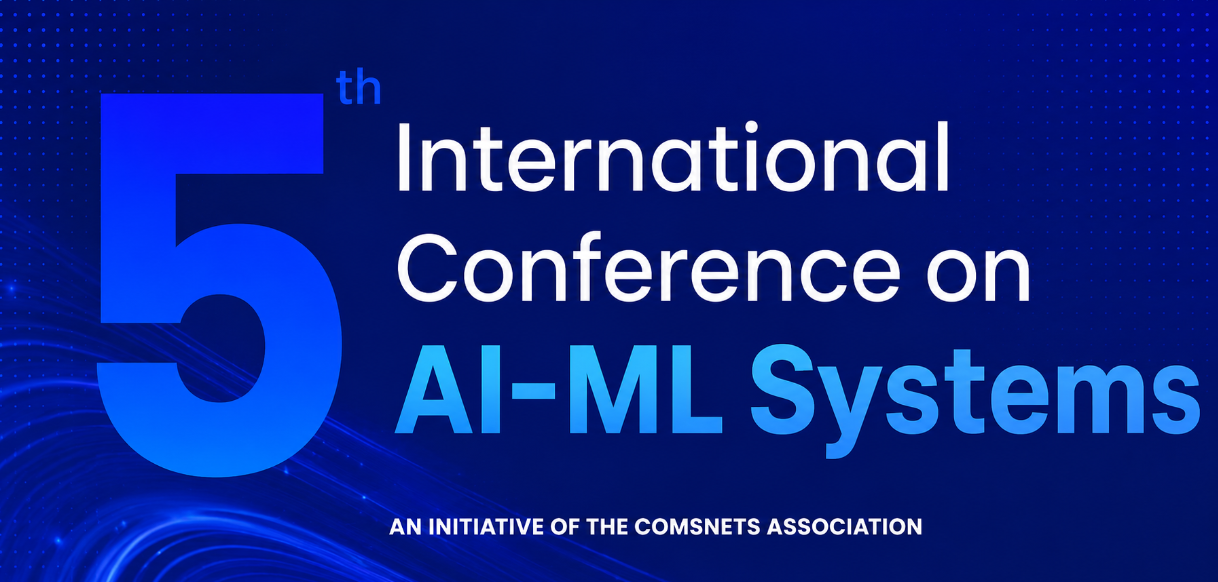
Artificial Intelligence is entering a new era. For years, conversations around AI were dominated by larger models, bigger datasets, and breakthrough benchmarks. While those innovations remain important, the discussions at AI/ML Systems Summit 2025 in Bengaluru made one thing clear: the future of AI will not be defined solely by models. It will be defined by the systems, infrastructure, governance, and intelligence layers that enable those models to create real-world impact.
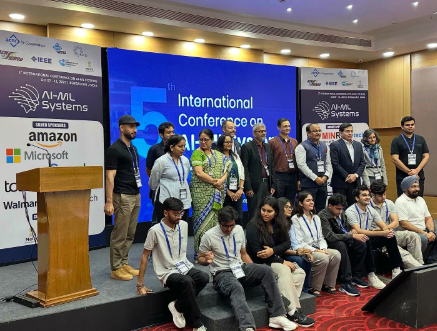
Held at Bengaluru's Chancery Pavilion, AI/ML Systems Summit 2025 brought together researchers, scientists, industry leaders, startup founders, product builders, and policymakers for three intensive days of discussions, keynote sessions, workshops, research presentations, and panel debates.
Unlike many technology conferences that focus heavily on marketing narratives, AI/ML Systems Summit 2025 maintained its reputation as a research-first event. Every session was rooted in solving practical challenges, advancing scientific understanding, and exploring how emerging AI technologies can be deployed responsibly and effectively.
The conference covered a wide spectrum of topics, including Agentic AI, AI infrastructure, AI reasoning, foundation models, Responsible AI, sovereign AI, hardware acceleration, AI in science, AI agents, and workforce transformation.
What emerged was a comprehensive picture of where the AI industry is heading over the next decade.
Moving Beyond Prediction Toward Reasoning
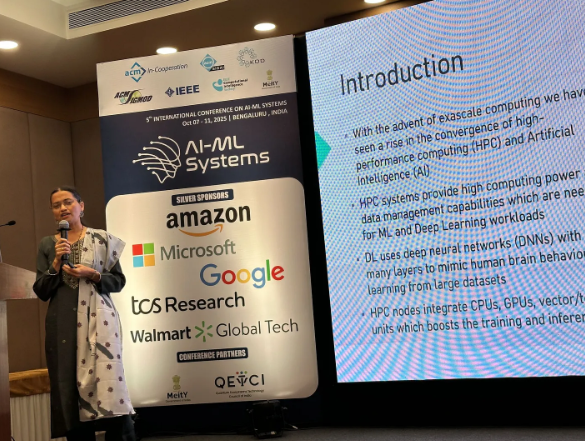
One of the most compelling keynote sessions was delivered by Professor Vineet Balasubramanian from IIT Hyderabad and Microsoft Research India. His talk, "Learning Beyond Prediction: Concepts, Logic, and Reasoning," addressed a challenge that continues to define the limitations of current AI systems.
Modern AI models excel at pattern recognition. They can predict words, classify images, and generate content with impressive accuracy. Yet prediction alone does not constitute intelligence.
The next generation of AI systems must move toward reasoning. Reasoning allows AI systems to understand relationships, apply logic, infer outcomes, and solve unfamiliar problems rather than merely reproducing patterns observed during training.
This shift is critical because enterprises increasingly need systems capable of making decisions in complex and dynamic environments where historical data alone is insufficient. The discussion reinforced a growing belief across the AI community that the future lies in combining statistical learning with symbolic reasoning, knowledge representation, and structured decision-making.
AI for Science Is Becoming Reality
Another major highlight focused on AI's growing role in scientific discovery. Researchers showcased how artificial intelligence is transforming healthcare, biology, and environmental sciences.
Historically, scientific breakthroughs required years of experimentation and analysis. Today, AI systems are helping researchers accelerate drug discovery, model biological systems, identify treatment pathways, and understand environmental challenges with unprecedented speed.
The discussion highlighted an important evolution in AI's role. Rather than simply automating routine tasks, AI is increasingly becoming a collaborator in scientific exploration. This transition could fundamentally change how humanity approaches complex challenges ranging from disease prevention to climate resilience.
The Rise of Agentic AI
One of the most recurring themes throughout the conference was Agentic AI. Unlike traditional AI systems that respond to individual prompts, AI agents can plan, reason, execute tasks, and interact with multiple tools autonomously.
Workshops and research presentations explored how organizations are beginning to build AI agents capable of performing end-to-end workflows. These systems can analyze information, retrieve data, make decisions, execute actions, and continuously learn from outcomes.
A practical workshop on building AI agents and Retrieval-Augmented Generation (RAG) applications demonstrated how rapidly these capabilities are becoming accessible to developers and enterprises. Agentic AI represents one of the most important shifts in the AI landscape because it moves artificial intelligence from being an information generator to becoming an active participant in business processes.
The implications span customer service, operations, research, compliance, software development, healthcare, and enterprise productivity.
Foundation Model Operating Systems
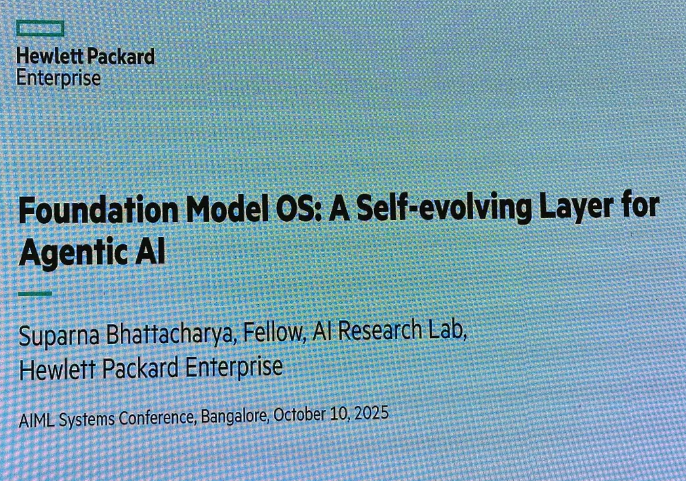
A particularly thought-provoking session introduced the concept of a Foundation Model Operating System (FMOS). The idea behind FMOS is simple but powerful.
As organizations begin deploying multiple AI models and
agents, they need a coordination layer that manages interactions, governance, learning, memory, and execution. Just as traditional operating systems manage hardware resources and applications, future AI operating systems may manage collections of intelligent agents.
This concept becomes increasingly relevant as organizations move from deploying isolated AI tools toward creating interconnected AI ecosystems. The emergence of such architectures signals the beginning of a new software paradigm where AI becomes a foundational computing layer rather than an application feature.
Hardware Remains a Strategic Differentiator
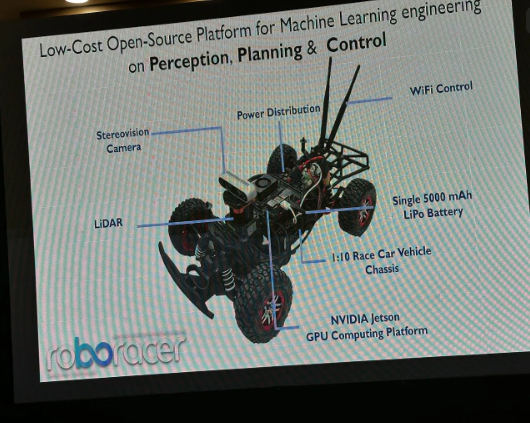
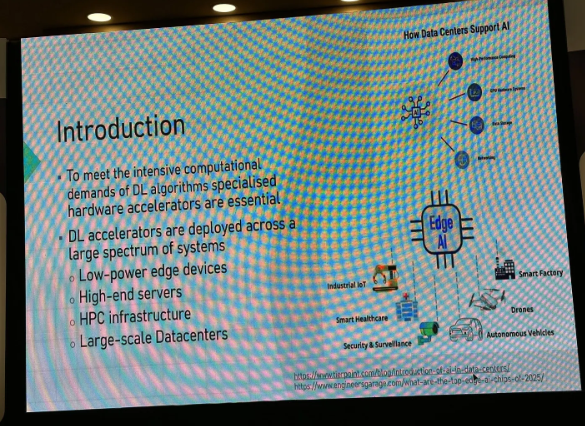
AI discussions often focus on algorithms, but AI ML Systems emphasized the importance of hardware innovation. Sessions on efficient neural network architectures and hardware acceleration explored how intelligence can be delivered with lower latency, lower energy consumption, and greater scalability.
As AI workloads grow, computational efficiency becomes a strategic necessity.
The organizations that can build more efficient infrastructure will gain significant competitive advantages through reduced costs, faster deployment cycles, and broader accessibility. This becomes particularly important for emerging markets where computational resources remain constrained.
Sovereign AI: A Strategic Imperative
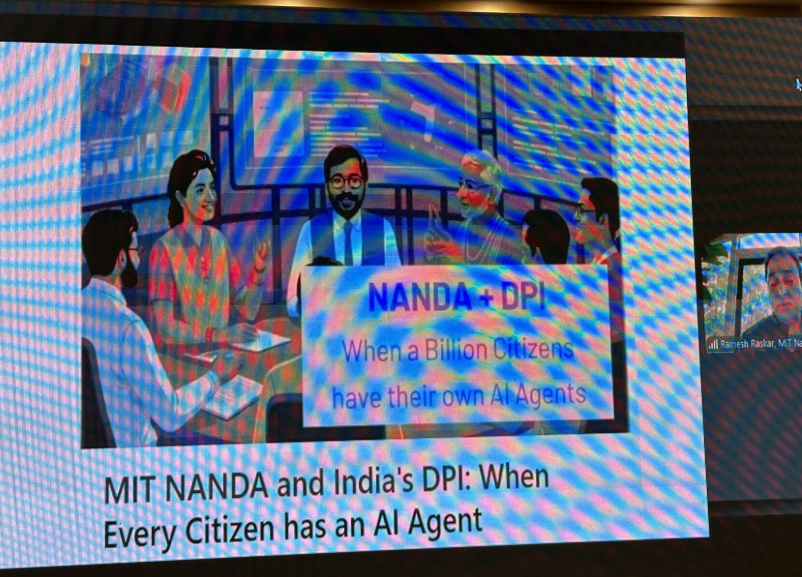
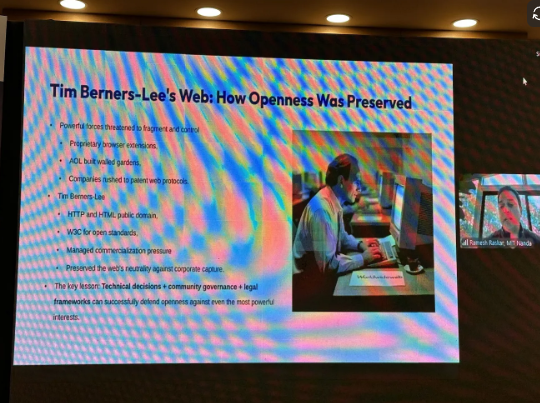
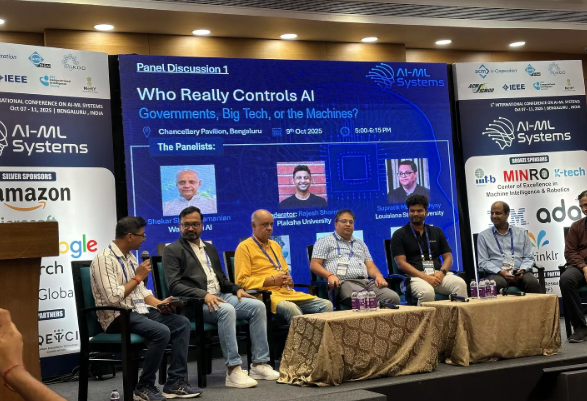
One of the most engaging panel discussions explored the concept of sovereign AI. The debate centered around a critical question:
Who truly controls AI?
Governments? Technology
companies? Or the systems themselves?
The discussion examined sovereignty across three interconnected layers. The first layer involves governments defining national priorities, regulations, and strategic objectives.
The second involves industry players building infrastructure, models, and technological capabilities.
The third involves the computational systems that ultimately power intelligent applications.
Partic
ipants highlighted a growing concern facing many nations. What happens if access to critical AI infrastructure is restricted? What happens if foundational models, cloud resources, or compute capabilities become unavailable?
These questions are increasingly relevant as countries
seek technological independence while remaining globally connected. The panel underscored that sovereign AI is not simply about building domestic models. It is about ensuring long-term control over critical AI capabilities that influence economic growth, security, and innovation.
Responsible AI Must Move Beyond Buzzwords
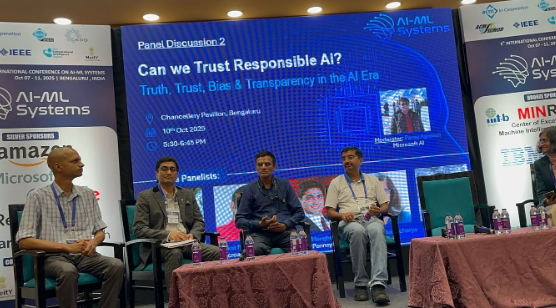
Few topics generated as much discussion as Responsible AI. As AI systems become more capable, concerns around transparency, accountability, fairness, bias, privacy, and governance continue to grow.
The conference's Responsible AI panel challenged participants to move beyond theoretical discussions and focus on practical implementation. Responsible AI cannot remain a policy document. It must become part of system design.
Organizations need governance frameworks, monitoring systems, auditability mechanisms, and accountability structures built directly into their AI infrastructure. Trust will ultimately become one of the most important competitive advantages in the AI era. Organizations that can demonstrate responsible deployment practices will earn stronger customer confidence and long-term market credibility.
Generative AI Through an Enterprise Lens
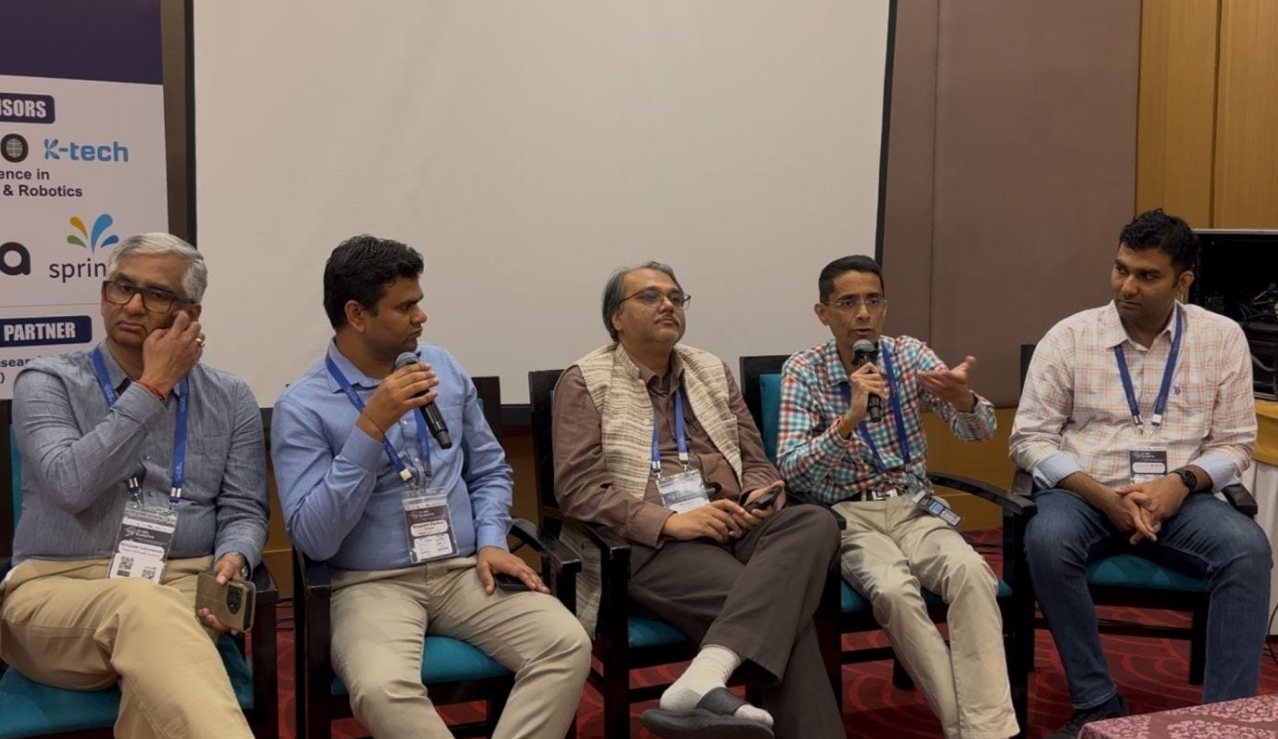
One of the conference's most engaging discussions focused on Generative AI from an enterprise perspective. The panel explored real-world customer use cases, cost optimization strategies, security considerations, latency challenges, deployment architectures, and practical applications.

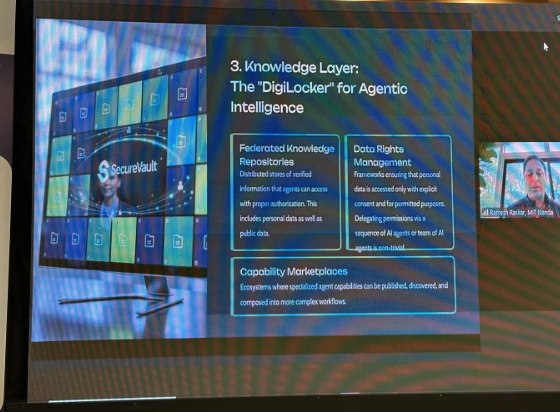
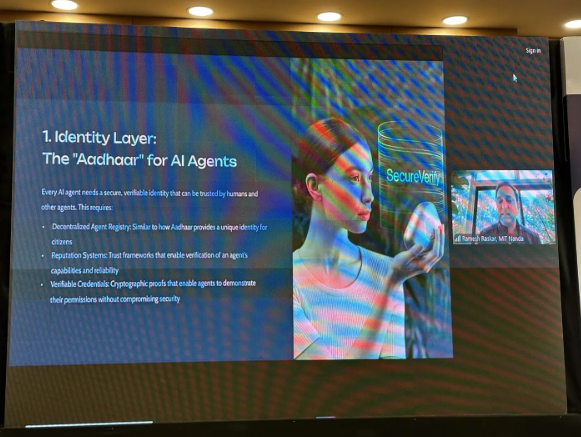
A significant portion of the conversation focused on AI guardrails. As organizations deploy generative AI at scale, ensuring safe, reliable, and compliant outputs becomes increasingly important.
The panel also highlighted the need for large-scale AI upskilling, particularly across Bharat. Building AI capabilities is no longer solely a technology challenge. It is a talent challenge. Organizations, educational institutions, governments, and startups must collaborate to develop the workforce required for the next generation of intelligent systems.
The discuss
ion balanced global AI trends with India's unique opportunities, examining how frontier models can be adapted to local contexts and customer needs.
AI as a Workforce
The conference concluded with a fascinating discussion on one of the most debated questions in technology today.
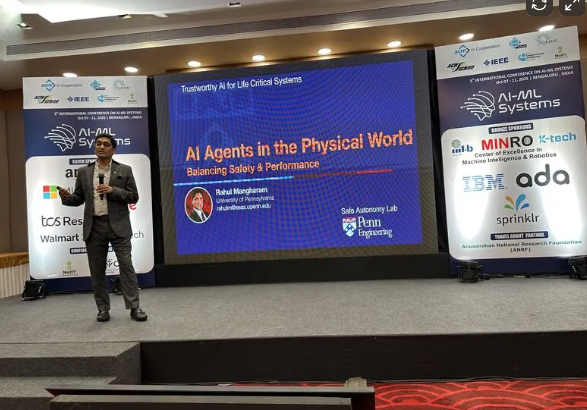
Will AI become a tool, a teammate, or a threat?
The answer appears to be more nuanced than many headlines suggest.
AI is increasingly functioning as a collaborator rather than merely a tool. It can assist researchers, support developers, augment analysts, and improve decision-making. At the same time, it creates legitimate concerns around workforce transformation and job evolution. The consensus emerging from the discussion was that organizations should focus on augmentation rather than replacement.
The future belongs to human-AI collaboration rather than human-versus-AI competition.
Key Takeaway
s from AI/ML Systems Summit 2025
The strongest message from summit was that AI is maturing.
The conversation is moving beyond model benchmarks and toward practical deployment challenges. Organizations are increasingly focused on reasoning, autonomy, governance, infrastructure, trust, and real-world value creation.
Agentic AI is emerging as the next major wave of innovation. Responsible AI is becoming a business necessity rather than a compliance exercise.
Sovereign AI is gaining strategic importance for nations and enterprises alike. Foundation model operating systems may become the next evolution of enterprise software architecture.
And perhaps most importantly, AI success will increasingly depend on people, processes, and systems—not just algorithms. As AI/MLSystems Summit prepares for its next edition in Italy, the conference has once again demonstrated why it
remains one of the most valuable forums for serious AI practitioners.
For researchers, engineers, product leaders, entrepreneurs, and policymakers alike, AI/ML Systems Summit 2025 offered something increasingly rare in today's AI landscape: substance over hype.