
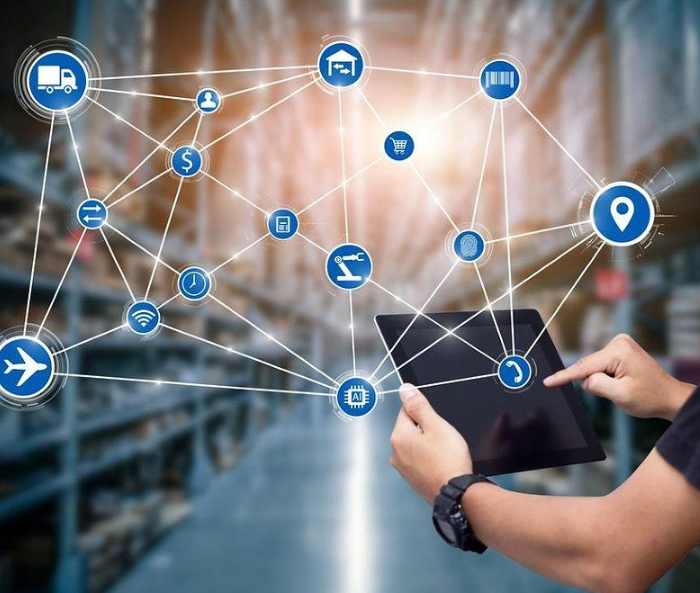
AI Is Reshaping Global Trade in 2026
Artificial Intelligence has moved far beyond simple automation. In 2026, AI is becoming a strategic tool that helps businesses make faster decisions, reduce costs, predict disruptions, and improve operational efficiency across global supply chains.
Recent developments across the trade and logistics industry show that companies are increasingly investing in AI-powered platforms capable of handling complex international operations. From customs processing and freight management to demand forecasting and supplier selection, AI is transforming how goods move around the world.
As global trade becomes more interconnected and competitive, businesses that adopt AI technologies early are positioning themselves for long-term success.
Why AI Is Becoming Essential for Global Trade
International trade generates enormous amounts of data every day. Businesses must manage shipping schedules, customs regulations, supplier relationships, inventory levels, and changing market conditions simultaneously. Traditionally, these processes required extensive manual oversight. Today, AI systems can analyze millions of data points within seconds and provide actionable recommendations.
Several factors are accelerating AI adoption in trade:
Driver | Business Benefit |
Rising supply chain complexity | Better visibility |
Growing trade volumes | Faster processing |
Labor shortages | Increased automation |
Regulatory changes | Improved compliance |
Customer expectations | Faster delivery times |
These advantages are encouraging exporters, importers, logistics providers, and manufacturers to integrate AI into their daily operations.
AI-Powered Supply Chains Are Becoming the New Standard
One of the most significant changes in 2026 is the emergence of intelligent supply chains. Modern AI platforms continuously monitor inventory levels, supplier performance, shipping conditions, and market demand. Instead of reacting to problems after they occur, businesses can now anticipate disruptions before they impact operations.
For example, AI can detect potential delays caused by weather events, port congestion, or transportation bottlenecks and automatically recommend alternative solutions.
According to recent industry reports, companies using advanced supply chain analytics often experience:
Improved inventory accuracy
Faster delivery performance
Reduced operational costs
Better demand forecasting
This shift from reactive management to predictive decision-making is becoming a major competitive advantage.
Agentic AI: The Next Generation of Trade Technology
A major trend gaining attention this year is the rise of Agentic AI. Unlike traditional software systems that follow predefined rules, Agentic AI systems can independently analyze situations, make decisions, and execute tasks.For example, if a shipment encounters unexpected delays, an AI agent can:
Identify the disruption.
Evaluate alternative transportation options.
Update delivery schedules.
Notify customers automatically.
This reduces the need for manual intervention while improving response times and operational efficiency.
Industry experts believe Agentic AI could become one of the most transformative technologies in international trade over the next decade.
AI Is Transforming Customs and Trade Compliance
Trade regulations continue to evolve rapidly. Tariff changes, sanctions, import restrictions, and documentation requirements create challenges for businesses operating internationally. AI is helping companies simplify compliance by automating:
Product classification
Duty calculations
Documentation verification
Regulatory monitoring
Risk assessment
Automated compliance systems reduce errors while improving processing speed. This is particularly valuable for exporters and importers dealing with multiple international markets.
As governments continue digitizing customs systems, AI-driven compliance solutions are expected to become increasingly important.
How AI Is Improving Logistics and Transportation
Logistics remains one of the largest beneficiaries of artificial intelligence. AI-powered systems can optimize delivery routes by analyzing traffic patterns, fuel prices, weather forecasts, and transportation capacity in real time. This helps logistics providers reduce costs while improving service reliability. Warehouses are also becoming more intelligent through the use of AI-powered robotics, automated inventory management, and predictive maintenance systems.
As e-commerce continues to grow globally, logistics companies are expected to increase investment in AI technologies to handle rising delivery volumes efficiently.
The Growing Impact of AI on Global Manufacturing
Manufacturers involved in international trade are increasingly adopting AI to improve productivity and reduce production costs. AI applications include:
Manufacturing Function | AI Benefit |
Quality Control | Reduced defects |
Production Planning | Better efficiency |
Equipment Maintenance | Less downtime |
Demand Forecasting | Improved inventory management |
Procurement | Smarter supplier selection |
Countries investing heavily in advanced manufacturing technologies are expected to gain stronger positions in global export markets.
Challenges Businesses Must Address
While AI offers significant benefits, implementation is not without challenges. Many organizations face issues related to data quality, cybersecurity, integration with legacy systems, and workforce training. Businesses must also establish clear governance frameworks to ensure AI-generated decisions remain transparent and accountable.
The most successful organizations will combine advanced technology with human expertise rather than relying entirely on automation.
What the Future Holds for AI in Trade
Experts predict that AI will become deeply integrated into every stage of international commerce. Future systems may coordinate entire supply chains autonomously, managing procurement, transportation, inventory, compliance, and customer communication simultaneously. Emerging technologies such as generative AI, digital twins, autonomous logistics systems, and intelligent trade platforms are expected to further transform the industry.
Businesses that embrace these innovations today will likely be better positioned to compete in increasingly digital global markets.
Conclusion
Artificial Intelligence is no longer a future concept in international trade—it is becoming a core business necessity. From intelligent supply chains and predictive logistics to automated compliance and Agentic AI systems, the technology is transforming how global commerce operates.
As adoption accelerates across industries, companies that invest in AI-driven trade solutions can improve efficiency, reduce costs, and strengthen competitiveness in international markets.
The future of global trade will not simply be automated—it will be intelligent.