
Global trade compliance is entering a new era. What was once considered a back-office regulatory function has now become a strategic priority for importers navigating tariffs, sanctions, sustainability mandates, and rapidly evolving customs regulations. In 2026, businesses are facing a compliance landscape shaped by geopolitical tensions, AI-driven automation, carbon reporting obligations, and stricter customs enforcement.
For importers, the challenge is no longer just about clearing goods through customs. It is about building resilient, technology-enabled compliance systems capable of adapting to regulatory volatility in real time.
The Biggest Trade Compliance Trends Shaping 2026
Trend | Impact on Importers | Risk Level |
AI-powered customs automation | Faster classification and screening | Medium |
CBAM and ESG reporting | New carbon disclosure obligations | High |
Tariff volatility | Higher landed-cost uncertainty | High |
Digital customs systems | Increased real-time data requirements | Medium |
Customs enforcement expansion | More audits and penalties | High |
Supply chain diversification | Complex origin and sourcing compliance | Medium |
AI-Powered Trade Compliance Is Becoming Mainstream
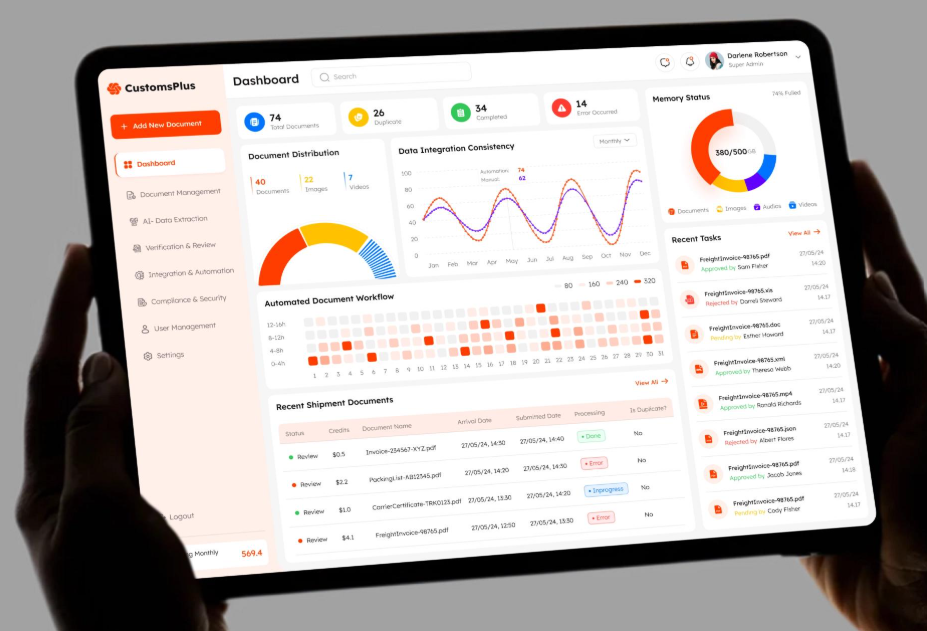
Artificial intelligence is rapidly transforming how importers manage customs classification, denied party screening, document verification, and tariff analysis. What used to require hours of manual review can now be completed within seconds using AI-driven systems.
Many organizations are deploying AI tools to automate Harmonized System (HS) code classification, identify potential compliance gaps, and predict customs risks before shipments move across borders. As tariff structures become increasingly complex, automation is helping businesses reduce costly classification errors and improve operational speed.
The growing adoption of AI is also changing expectations from customs authorities. Regulators increasingly expect importers to maintain consistent, accurate, and audit-ready data. Companies relying entirely on manual workflows may struggle to keep pace with evolving requirements.
However, the rise of AI introduces new risks as well. Customs authorities are becoming more cautious about AI-generated documentation and automated classifications that lack human oversight. Incorrect product descriptions, inaccurate origin declarations, or improperly classified goods can trigger inspections, shipment delays, or financial penalties.
Key Areas Where AI Is Changing Trade Compliance
HS code classification
Denied party screening
Customs document validation
Tariff prediction and landed-cost analysis
Shipment risk scoring
Audit preparation
For importers, the future is not fully automated compliance. It is intelligent compliance supported by human expertise and AI-powered validation systems.
CBAM and Carbon Compliance Are Reshaping Global Trade
One of the most significant developments in global trade is the implementation of the European Union Carbon Border Adjustment Mechanism (CBAM). The policy is fundamentally changing how importers handle environmental reporting and supplier transparency.
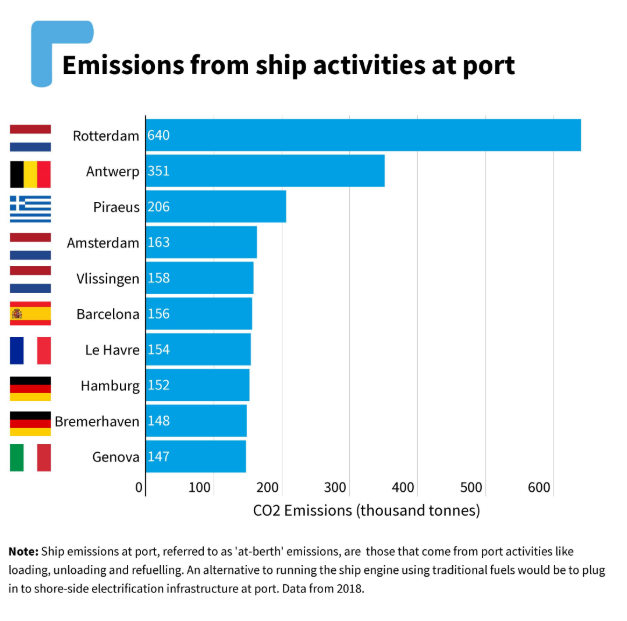
CBAM requires importers of carbon-intensive products entering the European market to report embedded emissions associated with imported goods. Industries such as steel, aluminum, cement, fertilizers, hydrogen, and electricity are already directly affected.
For many businesses, the challenge extends far beyond filing reports. Importers now need accurate emissions data from suppliers, verified sustainability records, and systems capable of tracking carbon exposure throughout the supply chain.
This shift represents a broader trend toward ESG-driven trade compliance. Environmental reporting is no longer optional. Sustainability data is becoming just as important as customs invoices and certificates of origin.
Companies that fail to prepare may face financial exposure, reputational damage, and restricted market access in regions implementing stricter environmental trade policies.
In 2026, trade compliance is increasingly intersecting with climate regulation.
Tariff Volatility Is Increasing Compliance Complexity
Global tariff structures are becoming more unpredictable as governments continue using trade policy as a geopolitical tool. Ongoing trade tensions, economic nationalism, and supply chain realignment strategies are contributing to frequent duty changes and regulatory uncertainty.
Importers can no longer assume tariff stability when planning sourcing strategies or calculating landed costs. A supplier relationship that appears financially attractive today may become significantly more expensive after a sudden tariff revision or anti-dumping measure.
Many importers are also adopting “China+1” sourcing models to reduce dependency on single-country manufacturing ecosystems. Countries such as Vietnam, India, Mexico, and Indonesia are increasingly becoming part of global diversification strategies.
Trade compliance teams now play a central role in helping organizations evaluate geopolitical exposure and sourcing risks.
Digital Customs Ecosystems Are Expanding Rapidly
Customs authorities worldwide are accelerating the transition toward digital-first trade ecosystems. Governments are introducing systems focused on real-time visibility, electronic filing, cargo transparency, and predictive risk assessment.
In the European Union, initiatives such as Import Control System 2 (ICS2) are increasing pre-arrival data requirements and strengthening shipment screening procedures. Similar modernization efforts are emerging across Asia, North America, and the Middle East.
For importers, this means customs compliance is becoming increasingly data-driven. Authorities now expect accurate electronic declarations, real-time shipment information, structured product data, and end-to-end document traceability.
Manual spreadsheets and fragmented documentation processes are becoming operational liabilities.
Businesses investing in centralized compliance platforms and digital trade infrastructure are gaining significant advantages through faster customs clearance, reduced inspection rates, and improved audit readiness.
Customs Audits and Enforcement Actions Are Increasing
Regulators globally are intensifying enforcement efforts across several high-risk compliance areas:
country of origin declarations
sanctions compliance
forced labor regulations
anti-circumvention practices
valuation accuracy
export controls
Authorities are using advanced analytics and AI-based targeting systems to identify suspicious trade patterns, inconsistencies, and potential fraud risks.
Even unintentional compliance errors can trigger significant financial penalties, shipment holds, or reputational damage.
In particular, forced labor compliance is becoming a major enforcement focus. Importers are expected to demonstrate supply chain visibility and maintain evidence proving goods are not linked to prohibited labor practices.
As customs agencies become more sophisticated, reactive compliance approaches are no longer sustainable. Businesses need proactive compliance frameworks supported by continuous monitoring and internal controls.
Supply Chain Resilience Is Becoming a Compliance Priority
The disruptions of recent years exposed vulnerabilities in global supply chains, leading organizations to rethink sourcing and logistics strategies. In 2026, resilience is becoming deeply connected with trade compliance planning.
Importers are increasingly prioritizing supplier diversification, regional manufacturing hubs, nearshoring strategies, inventory visibility, and geopolitical risk mapping.
Nearshoring continues gaining momentum, particularly in regions such as Latin America and Southeast Asia. Companies are seeking shorter, more flexible supply chains that reduce exposure to geopolitical disruptions and transportation bottlenecks.
However, diversification also increases compliance complexity. Managing multiple sourcing regions means navigating varying customs rules, free trade agreements, origin requirements, and regulatory standards.
Trade compliance teams are no longer isolated operational units. They are becoming strategic advisors involved in procurement, logistics, sustainability, and enterprise risk management.
Conclusion
Trade compliance in 2026 is being shaped by technology, sustainability regulation, geopolitical uncertainty, and digital transformation. Importers are operating in a business environment where regulations evolve faster, customs authorities demand greater transparency, and supply chains face constant disruption.
The organizations that thrive will be those that treat compliance not as a reactive obligation, but as a strategic capability.
AI-driven automation, carbon reporting readiness, digital customs integration, and proactive risk management are no longer optional investments. They are becoming essential foundations for global trade operations.
As international commerce grows more interconnected and more regulated, importers that build agile, technology-enabled compliance frameworks will be best positioned to compete in the years ahead.